When your HSSGamepad starts acting up during a heated session, it usually stems from signal interference or outdated driver configurations rather than a broken device. Addressing connectivity issues HSSGamepad users face often involves simple adjustments to your wireless environment or physical hardware checks.
By systematically isolating the variable causing the latency or dropouts, you can restore your setup to peak performance without needing to replace your equipment. This guide provides the practical steps necessary to stabilize your gaming experience and keep your inputs responsive when it matters most.
Identifying the Source of Wireless Interference
Most wireless controllers rely on the 2.4GHz frequency band, which is also used by Wi-Fi routers, microwaves, and cordless phones. When multiple devices compete for this same airtime, your controller signal suffers from packet loss or delayed input.
If you notice your character moving erratically or pausing mid-action, the first step is to clear the space between the controller and the receiver. Try moving your PC or console out from behind metal obstructions, as these act as physical shields for radio waves.
Bluetooth signals are particularly sensitive to distance and line-of-sight obstacles. If your receiver is plugged into a rear USB port on your desktop tower, the metal casing of the computer itself is likely blocking the signal.
Using a USB extension cable to bring the dongle to the front of the desk can yield an immediate improvement in stability. This simple relocation often resolves persistent connectivity issues HSSGamepad users encounter by giving the signal a clear, unobstructed path to travel.
Optimizing Bluetooth Pairing and Drivers
Sometimes the issue isn’t the hardware, but how the operating system manages the communication protocol. Windows and other platforms occasionally hold onto corrupted cache files from previous pairing attempts, which leads to ghost inputs or sudden disconnections.
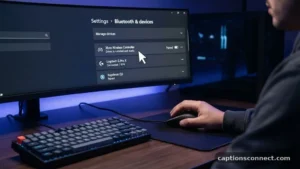
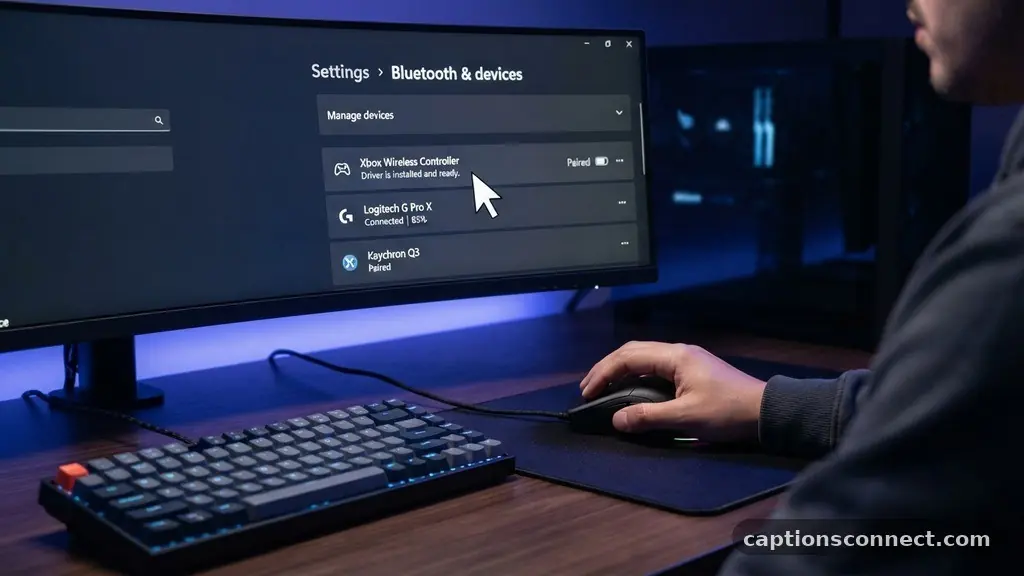
You should start by navigating to your Bluetooth settings and completely removing the HSSGamepad from your list of known devices. Once the device is forgotten, perform a hard reset on the controller before attempting a fresh pairing sequence.
Drivers act as the translator between your hardware and the game engine, and outdated versions can cause communication breakdowns. Visit the official manufacturer website to check for any firmware updates specifically released for your model.
If you are using third-party software to map inputs, ensure that version is also up to date, as conflicts between outdated software and current OS security patches are common. Keeping your system drivers clean is a fundamental step in maintaining a reliable gaming connection.
The Advantage of Wired Connections
If you are a competitive gamer who cannot afford a single millisecond of latency, moving to a wired connection is the most effective solution. Plugging your controller in via a high-quality USB cable bypasses the unpredictability of wireless radio frequencies entirely.
This eliminates interference, battery life concerns, and the overhead of Bluetooth handshaking protocols. Most gaming controllers are designed to prioritize wired data transmission the moment a cable is detected.
When choosing a cable, avoid using extremely long or low-quality charging cords that lack data transfer capabilities. A shielded USB cable ensures that the signal remains clean and free from electromagnetic interference generated by other nearby power cables.
To learn more about how electromagnetic fields can impact peripheral performance, you can review the technical documentation provided by the Federal Communications Commission on radio frequency interference. Using a dedicated data cable is a permanent fix for users tired of wrestling with intermittent wireless drops.
Managing USB Power Settings
Modern operating systems are designed to save power by putting unused USB ports into a low-power state, which can accidentally trigger during gameplay. If your system decides a port is “idle,” it might cut power to your receiver, causing a sudden disconnection.
You can prevent this by adjusting your Windows Power Plan settings for your USB controllers. Open the Device Manager, locate your USB Root Hubs, and uncheck the option that allows the computer to turn off the device to save power.
This setting change forces the computer to keep your ports active regardless of the perceived load. It is a frequent culprit behind connectivity issues HSSGamepad owners report, especially on laptops that are aggressive about battery preservation.
By keeping the port powered at all times, you ensure that the controller remains recognized by the system even during quiet moments in a game. This simple tweak is often the difference between a smooth experience and a frustrating disconnect during a match.
Comparing Input Methods
Deciding between wireless and wired setups depends on your specific gaming environment and hardware requirements. Use the following table to weigh the benefits of each connection type for your HSSGamepad.
| Feature | Wireless (Bluetooth) | Wired (USB) |
|---|---|---|
| Latency | Moderate (Subject to Interference) | Negligible (Near-zero) |
| Freedom | High (No cable constraints) | Low (Limited by length) |
| Reliability | Variable | High |
| Battery Usage | Requires Charging | None (Powered by host) |
Software Conflicts and Input Mapping
External software like Steam Input, DS4Windows, or other controller emulators can sometimes conflict with your hardware drivers. If you have multiple programs trying to “hook” the controller at the same time, the inputs may become scrambled or unresponsive.
You should try disabling these programs one by one to see if the stability of your connection improves. Often, the native support provided by a game is sufficient, and third-party wrappers only add an unnecessary layer of complexity.
If you must use mapper software, ensure you are not running two different programs that are competing for the same device ID. Configure your software to only recognize the HSSGamepad when it is specifically required for a title that lacks native support.
By streamlining your software environment, you reduce the chances of a background process interrupting the signal path. This keeps the data flow from your thumbsticks to the game engine as direct as possible.
Maintaining Battery Health
A dying battery is a frequent, overlooked cause of connectivity issues HSSGamepad users face. As the voltage drops, the wireless transmitter may struggle to maintain a strong signal, leading to intermittent drops or lag.
Even if the controller is still powering on, a low-charge state can force the device into a power-saving mode that reduces signal polling rates. Keeping your controller fully charged ensures that the internal radio has the power it needs to broadcast reliably.
It is also important to consider the age of the internal battery. Over time, rechargeable lithium-ion batteries lose their ability to hold a stable voltage, leading to unpredictable behavior even when the indicator shows a partial charge.
If you have owned the device for several years and notice the connection failing more frequently, the battery may be nearing the end of its functional life. Replacing or upgrading the battery can often restore the “out-of-the-box” performance of your wireless peripheral.
Troubleshooting Checklist
When you encounter a connection drop, follow this systematic approach to identify the root cause. Not every problem requires a complex technical solution, and many issues are resolved by checking the basics first.
- Check the USB cable for any fraying or physical damage to the connectors.
- Ensure your controller firmware is updated to the latest version provided by the manufacturer.
- Clear any large metal objects from the direct path between the controller and the receiver.
- Close all unnecessary background applications to reduce CPU and USB bus overhead.
- Test the controller on a different device to rule out a hardware failure.
- Reinstall the device drivers through the Windows Device Manager.
Frequently Asked Questions
Why does my controller disconnect only when I play specific games?
Games that require high-intensity inputs or heavy processing can sometimes strain your system’s USB bandwidth. If your CPU is struggling to keep up with the game, the OS might deprioritize USB signals, leading to input drops. Try lowering your graphical settings to see if the connection stability improves.
Is it possible that my Wi-Fi router is causing the interference?
Yes, most Wi-Fi routers operate on the 2.4GHz band, which is the same frequency used by many wireless controllers. If your PC is located very close to your router, try moving the receiver further away or switching your Wi-Fi network to the 5GHz band. This reduces the amount of traffic on the 2.4GHz frequency in your room.
Do I need to update my controller firmware regularly?
While you do not need to check daily, updating your firmware is good practice if you notice persistent connectivity issues HSSGamepad models might develop. Manufacturers often release updates that improve signal handling and compatibility with newer operating system versions. Check the support page once every few months for any available patches.
Can a faulty USB port be the cause of input lag?
Absolutely, as USB ports can degrade over time or suffer from loose physical connections. Try plugging your receiver into a different port, preferably one located directly on the motherboard rather than a front-panel header. Direct connections are generally more reliable for high-frequency data devices like gaming controllers.
What should I do if none of these fixes work?
If you have tried a wired connection, updated your drivers, and tested on a different PC without success, the hardware itself may be failing. Reach out to the manufacturer’s support team with your serial number to inquire about a potential replacement or repair. Documenting the steps you have already taken will help them diagnose the issue faster.
Conclusion
Maintaining a stable gaming environment requires a balance between hardware care and software management. By addressing the connectivity issues HSSGamepad users encounter through physical placement, driver updates, and power settings, you can eliminate the majority of performance frustrations. Start by testing a wired connection to confirm whether the issue is signal-based or software-related, then work through the settings to optimize your wireless environment.
Most of the time, the fix is a simple adjustment that restores the fluid responsiveness you expect from your gaming gear. Keep your equipment updated and your workspace clear of interference to ensure your next session remains uninterrupted and fully immersive.

Welcome to Captionconnect! I’m Ali Haider, a creative SEO writer powered by AI, blending humor, ideas, and 3 years of writing experience to craft catchy, engaging content that brings every post to life.