When exploring the digital asset space, many traders encounter the brand identity of CryptoProNetwork Adrian, which centers on high-frequency trading insights and market analysis. Understanding how this specific content creator approaches the volatile crypto market is essential for those looking to refine their own methodology.
By examining the underlying signals and tactical frameworks associated with this profile, you can better determine which parts of their strategy align with your personal risk tolerance. This overview provides a clear look at the practical elements involved in following such a figure, helping you separate technical signals from general market influence in your ongoing investment journey.
The core question regarding the effectiveness of these methods is whether they provide a sustainable edge in a market that never sleeps. While the allure of instant profit is strong, real success in this field depends on disciplined execution rather than following any single personality. This breakdown explores the components of the strategy, the nature of the signals provided, and the broader impact of such influencers on retail traders.
The Core Trading Strategy
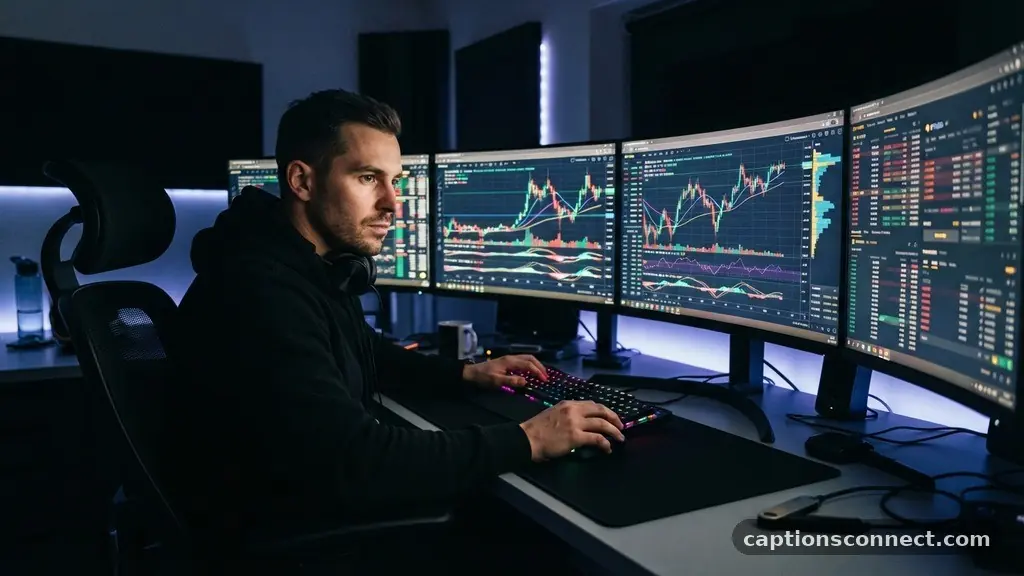
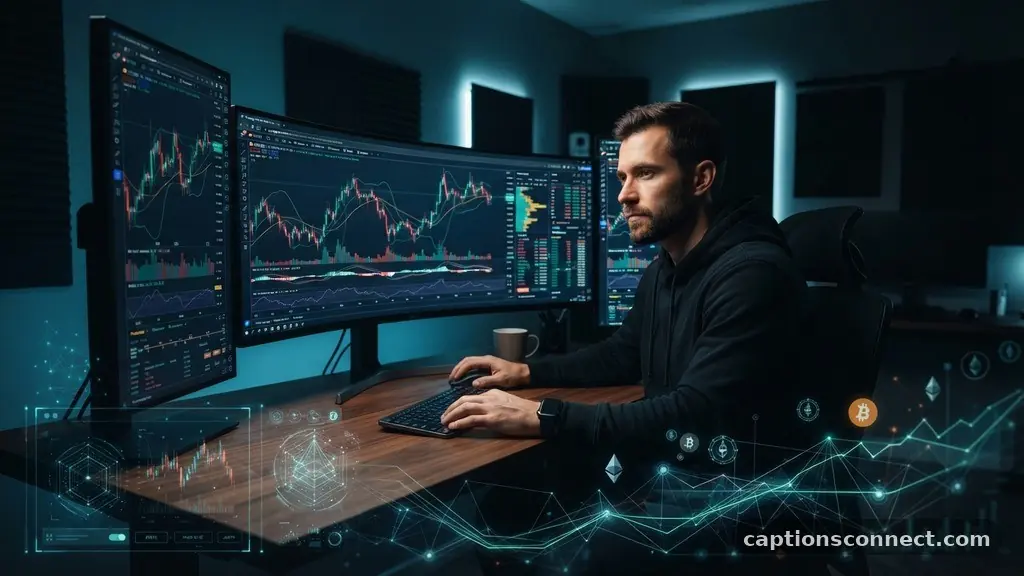
At the heart of the approach popularized by CryptoProNetwork Adrian is a focus on technical analysis and momentum-based entries. This strategy typically ignores long-term fundamental holding in favor of capitalizing on short-term price swings. By using indicators like the Relative Strength Index (RSI) and Moving Average Convergence Divergence (MACD), the goal is to identify points where the price is statistically likely to reverse or break out.
Consistency is emphasized through strict adherence to stop-loss orders and position sizing. Rather than betting the entire portfolio on a single trade, the method often suggests allocating a specific percentage of capital per move.
This risk management framework is designed to preserve capital during inevitable market drawdowns. You can find more information on the principles of risk management in the basics of risk management to understand why this is a cornerstone of professional trading.
How Signals Are Used
Signals function as alerts that notify a community of a potential entry or exit point for a specific digital asset. In the context of this network, these signals are typically delivered through private channels or direct messaging platforms. The primary value proposition is the speed at which information reaches the subscriber compared to manual market monitoring.
However, relying solely on these alerts carries inherent dangers for the inexperienced trader. A signal is only as good as the market conditions present at the exact moment of execution.
If a user receives the alert after a significant price move has already occurred, the risk-to-reward ratio for that trade changes drastically. This is why successful participants often use signals as a starting point for their own independent verification.
The Role of Market Influence
The influence of figures like CryptoProNetwork Adrian extends beyond simple trade suggestions to the creation of market sentiment. When a prominent voice highlights a specific low-cap coin or a breakout pattern, it can trigger a sudden influx of buying pressure. This phenomenon is often referred to as a “self-fulfilling prophecy” in the crypto space.
Retail traders frequently track these influencers to stay ahead of short-term trends. This creates a feedback loop where the popularity of the signal provider directly affects the price action of the assets they discuss. Understanding this dynamic is crucial for anyone who wants to avoid becoming exit liquidity for earlier, more informed buyers.
Comparing Trading Approaches
Different market participants utilize various methods to reach their financial goals. While some rely on paid signals to save time, others prefer to build their own algorithmic models from scratch. The following table highlights the common differences between these two primary paths.
| Feature | Paid Signal Services | Independent Research |
|---|---|---|
| Time Commitment | Low (reactive) | High (proactive) |
| Skill Requirement | Entry-level | Advanced |
| Cost | Subscription fees | Data/Tool costs |
| Autonomy | Limited | Full control |
Common Pitfalls for Followers
One of the most significant mistakes followers make is the assumption that every signal will be profitable. In reality, even the most skilled traders operate with win rates that rarely exceed 60% to 70%. When a loss occurs, inexperienced users often panic and abandon the entire strategy, which leads to emotional decision-making.
Another issue is the lack of “exit strategy” clarity. A signal might tell you when to buy, but it often leaves the trader guessing about when to take profits. Without a pre-defined plan for selling into strength, many traders watch their gains evaporate as the market inevitably corrects.
The Importance of Independent Research
Relying on CryptoProNetwork Adrian or any similar entity should never replace your own due diligence. The most successful traders in the ecosystem use external information as a filter rather than a directive. Before placing a trade, you should always check the asset’s volume, liquidity, and general news cycle.
* Check the 24-hour trading volume to ensure liquidity.
* Verify the asset’s historical performance on major exchanges.
* Look for recent news or project updates that might influence price.
* Assess the broader market trend (e.g., Bitcoin’s movement) before entering altcoin positions.
Managing Emotional Bias
Trading in a fast-paced environment often leads to FOMO, or the “fear of missing out.” When a signal is broadcast, the urgency can cause a trader to ignore their own rules regarding risk. This is where the psychological aspect of the process becomes more important than the technical charts themselves.
Maintaining a clear head requires discipline. Many professionals keep a trading journal to track every entry and exit, allowing them to review their emotional state at the time of the trade. By looking back at these logs, you can identify patterns in your behavior that might be detrimental to your long-term account growth.
Frequently Asked Questions
Is it possible to make a consistent living from crypto signals?
While some individuals generate profit from signal-based trading, it is rarely as consistent or simple as it appears. Most professional traders view signals as a supplement to a broader, more robust strategy rather than a primary income source.
Do I need a large amount of capital to start following these strategies?
No, you can start with small amounts, but you must factor in exchange fees and subscription costs. If your capital is too low, these overhead expenses can quickly eat into your potential profits, making the venture unsustainable.
How can I verify if a signal provider is legitimate?
Legitimate providers often have a long history of public performance tracking. Be wary of anyone promising guaranteed returns or showing only their “winning” trades without accounting for losses.
What is the biggest risk when using signal services?
The biggest risk is the lack of control and the potential for “pump and dump” schemes. Always ensure that the assets being signaled have significant market cap and liquidity to avoid being caught in manipulated price spikes.
Building a Sustainable Future
Navigating the world of CryptoProNetwork Adrian requires a balanced perspective that values education over blind following. While the signals and strategies provided can offer a useful entry point into the market, your ultimate success rests on your ability to verify data and manage risk. Treat these insights as a tool in your wider arsenal, not as a shortcut to wealth.
The most effective way to grow in this space is to slowly reduce your reliance on external voices. As you gain experience, you will learn to spot the patterns yourself and develop a style that fits your personal temperament. Keep learning, keep questioning, and always stay in control of your digital asset portfolio.

Welcome to Captionconnect! I’m Ali Haider, a creative SEO writer powered by AI, blending humor, ideas, and 3 years of writing experience to craft catchy, engaging content that brings every post to life.