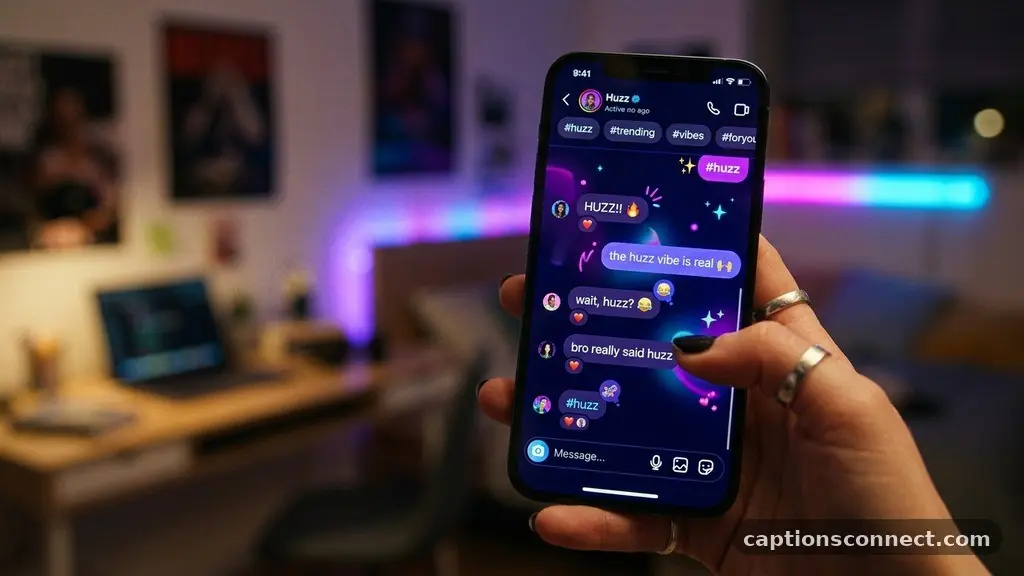
If you have spent any time scrolling through TikTok or listening to conversations among younger social media users lately, you might have stumbled across the term huzz. It is one of those words that seems to appear out of nowhere, leaving older generations scratching their heads and wondering if they missed a memo. Understanding the huzz meaning slang is actually quite simple once you peel back the layers of internet humor and digital linguistics.
Essentially, it is a playful, shorthand way of referring to a girlfriend or a romantic partner. It sits comfortably alongside other viral terms that dominate the current lexicon of Gen Z culture.
At its core, the huzz meaning slang is a shortened, stylized version of the word husband, though it is frequently applied to a girlfriend or a romantic interest regardless of gender. You will often see it used in contexts involving attraction, dating, or expressing affection for a significant other. It functions as a casual, slightly ironic label that fits the fast-paced nature of online communication.
Because language among teens and young adults evolves rapidly, this term captures the specific energy of modern digital courtship. It is not just a label; it is a way to signal belonging to a specific online subculture that values brevity and humor.
Decoding the Origins of Huzz
The evolution of this term is deeply tied to the rise of social media platforms like TikTok and Instagram. When people ask what is the huzz meaning slang, they are really asking about how language is compressed for digital consumption.
Much like other viral internet terms, it likely originated from a typo or a deliberate mispronunciation that gained traction through repetition. Once a creator uses a word in a viral video, the audience adopts it, and it quickly becomes part of the shared vocabulary of that community.
This specific word reflects a broader trend in how Gen Z adapts English to suit their needs. They often take existing nouns and strip them down to their most essential phonetic components. By shifting the vowel sounds or clipping the endings of words, users create a sense of exclusivity.
If you know what the word means, you are part of the in-group. If you do not, you are effectively an outsider looking in on a private joke. This linguistic gatekeeping is a natural part of how youth culture establishes its identity separate from older generations.
How Huzz Fits Into the Rizz Ecosystem
You cannot talk about this term without acknowledging its relationship to the concept of rizz. Rizz is the ability to attract someone, and the huzz is often the person you are trying to impress or have already successfully wooed.
When someone says they are trying to “rizz up a huzz,” they are describing the process of flirting with the intention of starting a relationship. It is a highly transactional and performative way of talking about dating.
The terminology creates a framework for discussing social dynamics that feels both lighthearted and structured. It turns the complexities of human attraction into a game where the goal is to secure a partner. This kind of shorthand allows for quick updates in group chats or comments sections.
It keeps the conversation moving without requiring long, drawn-out explanations about relationship status. For many users, these terms are just a fun way to navigate the often-stressful landscape of high school or college dating.
Comparing Similar Slang Terms
Language trends rarely exist in a vacuum, and this word is part of a larger family of related terms. Understanding the full picture requires looking at how these words are used in comparison to one another.
Some of these variants have more specific connotations, while others are used interchangeably depending on the platform. The following table provides a quick look at how these related terms stack up in common usage.
| Term | Common Meaning | Usage Context |
|---|---|---|
| Huzz | Girlfriend or romantic partner | General romantic interest |
| Gruzz | A combination of “gross” and “rizz” | Negative social interaction |
| Bruzz | A playful variation of “bro” | Casual male friendship |
| Rizz | Charisma or flirting ability | Success in dating |
Each of these words serves a specific function in the social media ecosystem. By categorizing them this way, you can see how the slang is built on consistent phonetic patterns. The repetition of the “zz” sound is a hallmark of this specific wave of internet language.
It creates a rhythmic, musical quality that makes the words catchy and easy to repeat in videos. This consistency is a major reason why these terms spread so quickly across global networks.
The Social Media Influence
Social media is the primary engine driving the adoption of new slang. When a word like this gains popularity, it is usually because it appeared in a high-engagement video or meme. Algorithms prioritize content that sounds current, so creators are incentivized to use the latest buzzwords to stay relevant.
This creates a feedback loop where the more a word is used, the more it is pushed to the front of feeds. The huzz meaning slang becomes solidified as more people see it in context.
Platforms like TikTok are especially effective at this because they allow for rapid iteration. A creator might use the term in a skit, and within hours, thousands of other users are creating their own videos using the same audio or concept. This speed is unprecedented in the history of language development.
It means that slang can go from obscure to mainstream in a matter of days. It also means that the lifespan of these words can be quite short as trends move on.
Is Huzz a Negative Term?
One common question is whether using this word is derogatory or offensive. Generally speaking, it is used as a term of endearment or a neutral descriptor. It is not intended to be a slur or a way to dehumanize someone.
However, like any slang, the tone of voice and the context matter significantly. Using it to refer to someone who is uncomfortable with the label would obviously be inappropriate.
It is always important to remember that language is defined by the community that uses it. If a specific group of friends uses the word to mean something hurtful, that is a local variation, not the general rule. For the vast majority of Gen Z users, it is just a playful, low-stakes way to talk about dating.
You can find more information on how internet linguistics impact modern communication through resources like the Linguistic Society of America. Their work on how language evolves in digital spaces provides a great foundation for understanding these cultural shifts.
Generational Differences in Language
There is often a disconnect between how different age groups perceive new slang. Older generations might find the constant stream of new words confusing or even a sign of declining literacy. Yet, this is a pattern that has repeated itself for centuries.
Every generation creates its own secret code to distinguish itself from their parents. The fact that the huzz meaning slang is so prevalent today is simply a modern iteration of this ancient human need for belonging.
When you look at it through this lens, it becomes less about the words themselves and more about the desire for community. Teens are using these terms to build a shared reality that belongs to them. It is a way to say, “I am part of this moment,” without having to explain why.
While it might seem trivial to outsiders, this linguistic play is a vital part of social development. It allows young people to test boundaries and express their creativity in a low-stakes environment.
Common Misconceptions About Modern Slang
A major misconception is that these terms are evidence of a lack of intelligence. In reality, creating and adopting new slang requires a high level of linguistic agility. Users must understand the context, the irony, and the social implications of every word they choose to use.
It is a sophisticated game of meaning that happens in real-time across the globe. Misunderstanding this leads to a dismissive attitude that misses the point of the communication entirely.
Another mistake is assuming that these words are permanent fixtures in the dictionary. Most of these terms are ephemeral, designed for the “now” rather than the “forever.” Some might stick around and become part of standard English, while others will fade away as the next big trend arrives.
That is the beauty of the system. It is fluid, responsive, and constantly changing to meet the needs of the people using it. Trying to force it into a static structure misses its fundamental nature.
FAQ About Huzz
Is huzz only used for girls?
While often used to refer to a girlfriend, the term can be applied to any romantic partner in a casual context. Its primary purpose is to be a short, punchy descriptor rather than a strictly gendered one.
Is it offensive to call someone a huzz?
In most social circles, it is meant to be lighthearted and affectionate. However, as with any nickname, you should always ensure the person you are referring to is comfortable with the term before using it.
Where did the word come from?
It is widely believed to be a stylized, shortened version of the word “husband.” It gained popularity through social media platforms like TikTok, where users often condense language for humorous or rhythmic effect.
Will this word stay in the dictionary?
Slang terms go through a rigorous process of cultural testing. Only those that maintain widespread, long-term usage eventually make it into official dictionaries, so it is impossible to say for sure if this one will last.
How do I use it in a sentence?
You might say something like, “I’m going to the movies with my huzz later,” or “He’s trying to rizz up a new huzz.” It is used just like any other noun for a partner, usually in informal conversations.
Embracing the Evolution of Language
Ultimately, the best way to handle terms like this is to stay curious rather than judgmental. Language is a living, breathing thing that changes every single day.
Whether you personally use these words or just observe them from afar, they offer a window into the current state of youth culture. They show how people are connecting, how they are forming relationships, and how they are using technology to bridge the gaps between them.
The next time you hear a new term, instead of getting frustrated, try to see it as a piece of a larger cultural puzzle. It is a way for people to find each other and share a laugh in a digital world that can sometimes feel very disconnected. By learning the huzz meaning slang, you are gaining a better understanding of how the next generation interacts.
It is a simple, effective, and fun way to stay in the loop with the shifting tides of modern communication. Don’t be afraid to ask questions, join the conversation, and see where the language leads you next.

Welcome to Captionconnect! I’m Ali Haider, a creative SEO writer powered by AI, blending humor, ideas, and 3 years of writing experience to craft catchy, engaging content that brings every post to life.