Staying ahead of the curve in the digital landscape requires more than just high-end hardware; it demands an understanding of how Tgarchirvetech gaming trends influence the way we interact with virtual worlds. From the shift toward cloud-based processing to the rise of community-driven development, the gaming industry is evolving at a breakneck pace.
This article explores the core shifts defining the current era, helping you identify which innovations are worth your investment and which are merely temporary hype. You will gain practical insights into hardware longevity, emerging software architectures, and the social dynamics currently reshaping your favorite digital hobbies.
The Core Metrics of Modern Gaming Performance
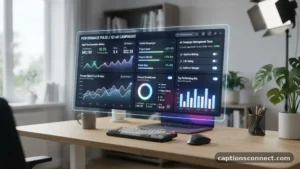
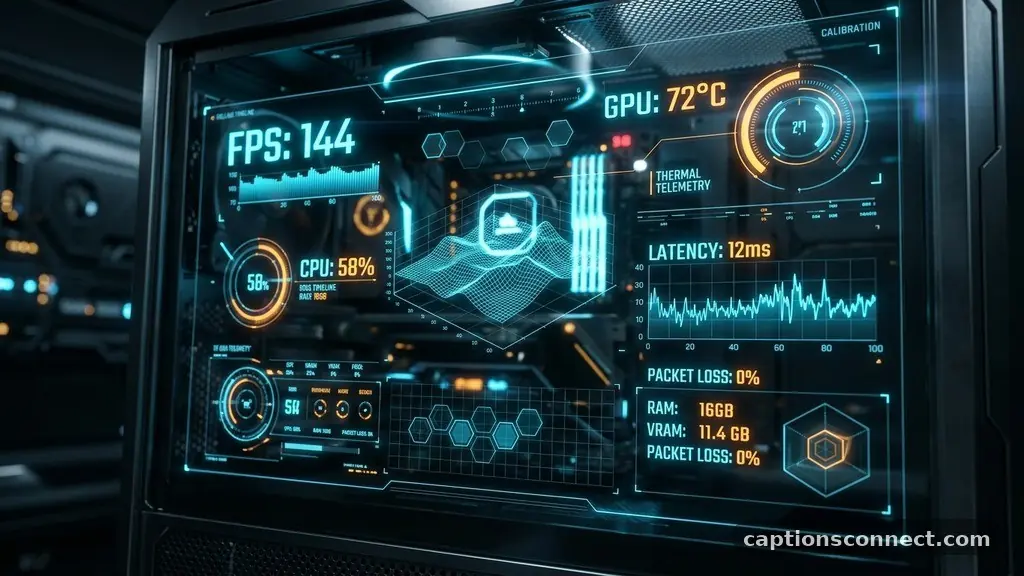
When you look at the current state of the industry, performance is no longer just about frame rates. It is about the synchronization between display technology and local hardware processing power.
High-refresh-rate monitors are becoming the standard for competitive play, pushing the industry toward 144Hz as the baseline for serious enthusiasts. If you are still running a 60Hz screen, the jump to a higher refresh rate is arguably the single most impactful upgrade you can make for your visual experience.
Developers are now optimizing their titles for variable refresh rate technology, which eliminates screen tearing without the input lag associated with traditional V-sync. This shift means that hardware manufacturers are focusing more on latency reduction than raw resolution increases.
You will notice that 1440p displays are currently the “sweet spot” for most gamers, offering a perfect balance between fidelity and frame performance. Pushing for 4K often results in diminishing returns unless you are investing in top-tier graphics cards that cost as much as a used vehicle.
Evolution of Cloud Integration in Gaming
Cloud gaming platforms have transitioned from experimental novelties to viable alternatives for casual and mid-core players. The reliance on local hardware is slowly decreasing as services like Xbox Cloud Gaming and NVIDIA GeForce Now continue to refine their infrastructure.
These services allow you to stream high-fidelity experiences directly to tablets, laptops, or even smart televisions without needing a dedicated desktop tower. This shift is particularly important for players who want to access the latest titles without paying for expensive hardware upgrades every two years.
However, the primary bottleneck remains internet stability rather than raw bandwidth. Consistent, low-latency connections are mandatory for a smooth experience, especially in fast-paced competitive titles. You should prioritize a wired Ethernet connection whenever possible to bypass the jitter inherent in most Wi-Fi setups.
As edge computing technology advances, the gap between local rendering and cloud streaming will continue to narrow. This trend represents a fundamental change in how the industry distributes content to its users.
The Rise of Remakes and Remasters
The current market is heavily saturated with remakes, a trend driven by both nostalgia and the lower risk profile of established intellectual properties. Developers often find it safer to iterate on a proven foundation than to invest millions into unproven, original concepts.
For players, this means you are frequently seeing classic titles updated with modern lighting engines and high-resolution textures. These projects often serve as testing grounds for new game engines before they are used in entirely new releases.
While some critics argue that this stifles innovation, others appreciate the ability to play “lost” classics on modern hardware. It is important to distinguish between a simple resolution upscale and a full ground-up remake.
A true remake often includes rebalanced mechanics and quality-of-life improvements that make the game feel like a modern release. Keep an eye on studio track records when deciding whether to pre-purchase these titles, as quality varies significantly between developers.
Hardware Longevity and Upgradability
Investing in gaming hardware requires a strategic look at the lifecycle of components. Modern graphics cards are built to last significantly longer than their predecessors, largely because we have reached a plateau in terms of visual fidelity gains.
The days of needing a new GPU every twelve months are long gone. Most mid-range cards released in the last three years can still handle current titles at respectable settings.
Focusing on modularity is a smart way to stretch your budget further. Building a PC with a high-quality power supply and a spacious case allows you to swap out core components like the motherboard or processor without needing a complete rebuild.
You should also consider the thermal management of your system, as heat is the primary enemy of electronic longevity. Proper airflow and regular cleaning can add years of life to your internal components.
Social Dynamics and Digital Communities
The way players interact with one another has moved toward centralized social hubs within games. Titles like Fortnite or Roblox have transformed from simple games into digital meeting spaces where users attend concerts and socialize.
This shift has forced developers to prioritize persistent servers and robust moderation tools. You are no longer just buying a game; you are buying access to a digital ecosystem that requires constant maintenance and community management.
Voice chat and spatial audio have become critical components of this social layer. High-quality headsets are now essential for both competitive advantage and social immersion.
As social features continue to evolve, the distinction between a game client and a social media platform will continue to blur. Developers are increasingly using these spaces to host live events, turning gaming into a real-time spectator sport.
Data Comparison of Gaming Platforms
Understanding the differences between platforms helps you make better purchasing decisions based on your specific needs. The following table compares the typical strengths of the three major ways to play in the current market.
| Platform Type | Primary Strength | Cost Profile | Best For |
|---|---|---|---|
| Desktop PC | Customization | High Initial Investment | Enthusiasts and Professionals |
| Home Console | Convenience | Predictable Mid-Range | Living Room Gaming |
| Cloud Gaming | Accessibility | Low Monthly Fee | Casual and Mobile Users |
Key Considerations for Modern Players
Staying informed means knowing where to look for reliable news. Many gamers rely on reputable industry news outlets to track shifts in development and hardware releases.
Relying on social media sentiment alone can often lead to biased perspectives based on vocal minorities. Look for data-driven reviews that focus on objective performance metrics rather than subjective hype.
- Prioritize RAM speed and capacity for multitasking environments.
- Monitor SSD storage prices, as game file sizes are increasing rapidly.
- Use hardware monitoring software to track temperatures and resource usage.
- Research developer history before committing to early-access titles.
- Invest in ergonomic furniture to prevent long-term physical strain.
Common Questions About Gaming Trends
What is the 20/20/20 rule for gaming?
The 20/20/20 rule is a simple eye-care technique for gamers. Every 20 minutes, you should look at something 20 feet away for at least 20 seconds. This helps reduce digital eye strain caused by staring at a screen for extended periods.
What are the top three trends in the gaming industry?
The top three trends currently include the expansion of cross-platform play, the integration of AI-driven NPCs for more dynamic interactions, and the shift toward subscription-based service models. These shifts are fundamentally changing how titles are developed and monetized.
Are 48% of gamers women?
Data from industry organizations, including the Entertainment Software Association, consistently shows that women make up a significant portion of the gaming population, often cited near the 45-48% range depending on the specific demographic study. This statistic confirms that gaming is no longer a niche hobby but a mainstream form of entertainment for all genders.
Who is the world number one gaming YouTuber?
The title of the most-subscribed gaming creator shifts frequently, but channels like MrBeast (who covers gaming content) or dedicated creators like PewDiePie have historically held the top spots. It is more useful to look for creators who specialize in your specific genre rather than focusing on global subscriber counts.
The Future of Interactive Entertainment
As we look ahead, the integration of advanced technologies will continue to define the landscape. We are moving toward a period where the boundaries between reality and digital environments become increasingly thin. Keeping up with these developments is an ongoing process, but by focusing on hardware longevity and community-driven platforms, you can ensure your gaming setup remains relevant.
The most important thing is to enjoy the experience and prioritize your own comfort alongside technical performance. Whether you are a casual player or a dedicated enthusiast, understanding these Tgarchirvetech gaming trends will help you make better decisions in an ever-changing digital world. Stay curious, test new technologies, and always choose the experience that brings you the most value.

Welcome to Captionconnect! I’m Ali Haider, a creative SEO writer powered by AI, blending humor, ideas, and 3 years of writing experience to craft catchy, engaging content that brings every post to life.